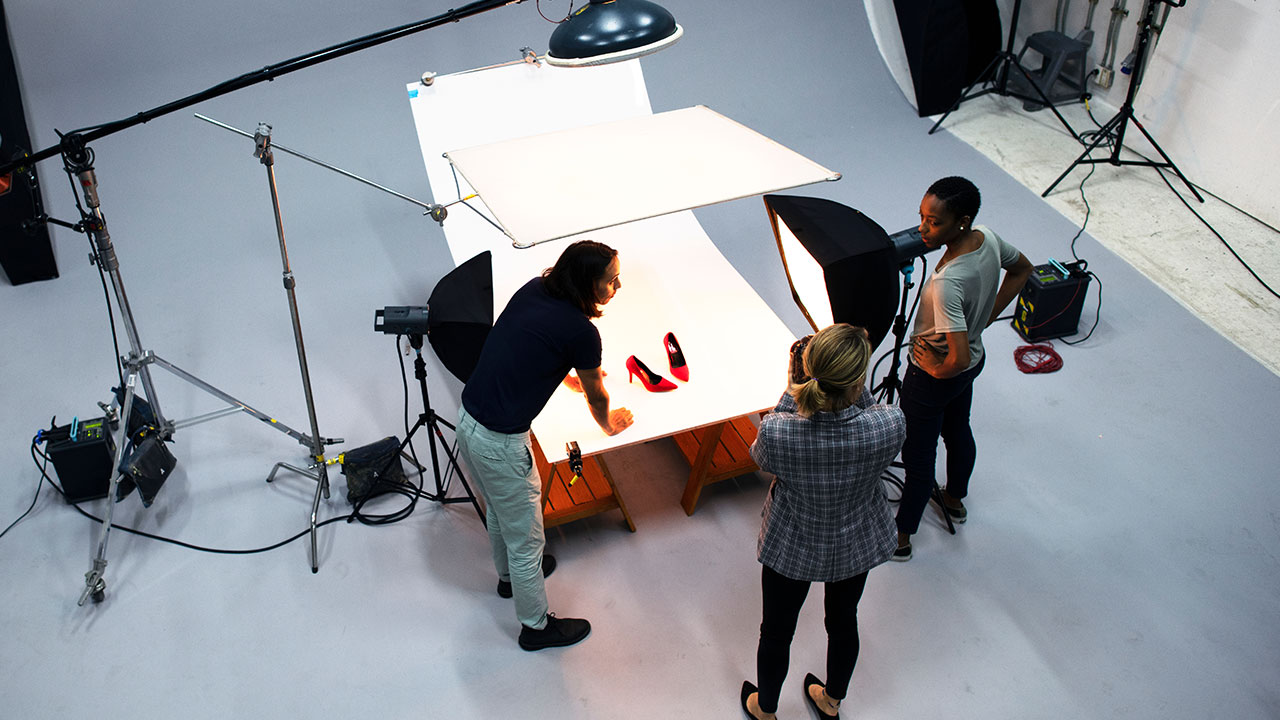
Why Commercial Photography Clients Are Different
Commercial clients aren’t like families booking portraits or couples hiring for weddings. Businesses make decisions strategically, not emotionally. They’re looking at the bottom line, asking: Will this photographer help us sell more products, elevate our brand, or increase our visibility?
That’s why the stakes are higher. The contracts are larger, but so is the pressure to perform. Companies want reliability, professionalism, and measurable ROI—not just beautiful images.
Think of the range of commercial opportunities:
- Product brands that need crisp visuals to drive e-commerce sales.
- Advertising agencies searching for creative partners to execute client campaigns.
- Corporate event planners who require polished coverage for conferences and trade shows.
- Real estate firms who need lifestyle images that capture the essence of a space.
- Startups and entrepreneurs looking for branding photography to position themselves in competitive markets.
The biggest shift to understand is this: commercial clients don’t see you as “just a photographer.” They want a business partner who understands their goals and can deliver creative assets that directly support them. The moment you step into that role, you stop competing with every other photographer in your market and start positioning yourself as indispensable.
Positioning Yourself As The Commercial Photography Authority
When it comes to winning commercial photography clients, positioning is everything. Businesses don’t gamble on “just another photographer.” They choose the photographer who radiates confidence, credibility, and clarity about the value they bring. Authority is what separates the freelancer scrambling for gigs from the photographer consistently landing high-value contracts.
The foundation starts with your portfolio, but not just any portfolio. Curate it with intention:
- Highlight commercial-style projects such as product campaigns, lifestyle shoots, or corporate events.
- Show work that mirrors how businesses want to be represented—clean, polished, and strategic.
- Keep it simple. A handful of strong examples is more powerful than dozens of mixed galleries.
Then layer in authority signals that instantly build trust:
- PR Features: Getting published in business or industry magazines signals credibility beyond your website. (Start by pitching local business outlets or trade publications in your niche.)
- Testimonials and Case Studies: Don’t just share kind words—demonstrate how your images helped a brand grow sales, attract clients, or elevate visibility.
- Specialization: Pick a lane. Whether it’s product photography, branding sessions, or corporate events, a niche positions you as the go-to expert rather than another generalist.
Tactical Next Step: Audit your online presence today. Remove generic galleries, craft one or two case studies that link your work to business outcomes, and create a “Featured In” section on your website—even if it starts with smaller local outlets. Authority isn’t built overnight, but every signal compounds until you become the obvious choice.
Marketing Channels That Bring in Commercial Clients
Authority positioning is the foundation, but visibility is the engine that keeps opportunities flowing. Commercial clients need to know you exist, and not just through referrals or chance encounters. The photographers who consistently book contracts are the ones who deliberately show up where decision-makers are already looking.
Here are the most effective channels:
- SEO: Ranking for terms like “commercial photographer in [city]” makes you discoverable at the exact moment businesses are searching. Local landing pages, case studies, and service-specific content create a web of visibility that pulls clients in.
- LinkedIn: Unlike Instagram, LinkedIn is where marketing directors, agencies, and business owners live. Consistently share your work, engage with industry content, and connect with decision-makers to build top-of-mind visibility.
- PR & Features: Being published in industry magazines or business outlets instantly separates you from the pack. It signals credibility, authority, and professionalism—qualities businesses trust.
- Google Business Profile SEO: Even B2B clients search locally. Showing up in the Google Map Pack makes you the obvious choice when companies are choosing between options.
- Networking with Agencies: Cold outreach is more effective when you’re already seen as credible. Authority signals like SEO rankings and PR features give your outreach weight, turning “who are you?” into “I’ve heard of you.”
When these channels work together, you create a flywheel of visibility and credibility. Instead of chasing clients, you attract them, and that’s when steady commercial work becomes the norm.
Myths About Getting Commercial Photography Clients (And the Truth You Need to Hear)
Many photographers hold themselves back from pursuing commercial work because of the stories they tell themselves. These myths feel true in the beginning, but they are really just roadblocks that keep talented photographers from stepping into bigger opportunities. Let’s clear them up:
Myth 1: Big brands only hire established names.
Truth: Every big name started somewhere. Think of it like pro sports. Rookies get drafted because teams see potential, not because they have already won championships. Brands often want fresh perspectives. What matters is whether you look like you belong in the league.
Myth 2: Cold outreach doesn’t work.
Truth: Random outreach is like throwing darts blindfolded. Strategic outreach combined with authority signals is like aiming with a laser pointer. Agencies and businesses respond when you look like a serious partner, not a desperate freelancer.
Myth 3: I need to underprice to compete.
Truth: Pricing too low is like showing up to a luxury car dealership with a bargain-bin price tag. It signals that something is wrong. Businesses pay for reliability and ROI, not the cheapest option.
Truth: Social platforms are like billboards on a busy highway. They get attention, but they do not close deals. Proposals, portfolios, SEO, and PR features are the boardroom conversations that actually win contracts.
Myth 5: SEO isn’t relevant for commercial work.
Truth: SEO is like the GPS system that gets clients to your door. Without it, they may never even know you exist, even if you are the best option in town.
Myth 6: One-off jobs are the only option.
Truth: Chasing single gigs is like fishing with a single hook. Retainer contracts and repeat campaigns are the fishing nets that catch more with less effort over time.
Myth 7: If my work is good enough, clients will find me.
Truth: A hidden gem in the desert is still hidden. Quality matters, but visibility and credibility are what lead clients to discover you.
Myth 8: I need a massive portfolio to start.
Truth: Think of a restaurant menu. Too many options overwhelm. A small, polished portfolio that speaks directly to commercial needs is more powerful than endless galleries of mixed work.
The shift happens when you replace limiting beliefs with empowering truths. Once you see commercial work as accessible, the strategies to land it stop feeling like a mystery and start becoming a clear, step-by-step path.
Conversion Psychology: How to Sell to Businesses
Selling to businesses is very different from selling to individual clients. Consumers buy from emotion. Businesses buy from trust and risk reduction. A marketing director or agency is not asking “Do I like these photos?” They are asking “Can this photographer deliver on time, on budget, and without mistakes that cost us money?”
That is why authority signals matter so much. PR features, polished proposals, and SEO rankings act like a safety net. They reassure decision-makers that working with you is a low-risk, high-value choice.
Your calls to action also need to reflect that difference. Instead of “Get a quote” which feels transactional, use language like “Book a consultation” or “Schedule a discovery call.” Businesses want a partner, not a price tag. The shift in language changes the frame from buying a service to starting a relationship.
Another key to conversion is showing ROI. If you can connect your photography to a company’s growth, visibility, or customer engagement, you instantly elevate yourself. For example, a product photographer might highlight how their images helped an online store increase sales. A branding photographer could show how professional visuals positioned a startup to attract investors. This is the language businesses understand.
How to Structure a Winning Proposal:
- Introduction: Briefly share who you are and what sets you apart.
- Understanding Their Goals: Acknowledge the business objectives they care about.
- Proposed Solution: Explain how your photography supports those goals.
- Proof of Authority: Add testimonials, PR features, or a mini case study.
- ROI Connection: Outline the potential business impact of your work.
- Next Step: Invite them to a consultation, not just a price quote.
Think of it this way. A consumer buys art to hang on their wall because it makes them feel something. A business invests in commercial photography the same way they invest in advertising. They want to see that every dollar creates impact. When you sell with this mindset, you step into the role of strategic partner rather than hired help.
What the Data Says About B2B Buyers
Breaking into commercial photography is not just about showing great work. It is about understanding how businesses actually make purchasing decisions. The numbers prove that authority, visibility, and trust signals are the difference between being overlooked and being hired.
- According to a DemandGenReport 80% of B2B buyers wait until they are about 70% through their research before ever contacting a vendor. This means you need to be visible online early through SEO, case studies, and PR features if you want to be considered.
- 89% of B2B buyers research vendors online before making a decision according to Demandsurge data. Your website, Google Business Profile, and online reputation are often the first impression that determines whether you make the shortlist.
- According to DigitalCommerce360 92% of buyers start the process with at least one vendor already in mind, and 41% already have a preferred vendor before formal evaluations begin. Authority signals like PR features and strong SEO put you in that “vendor in mind” category before a conversation even starts.
The data is clear. Businesses are not waiting to be convinced after they meet you. They are making decisions based on who shows up early, looks credible, and demonstrates authority. If you want to land commercial contracts, you must treat your online presence, testimonials, and PR features as non-negotiables.
Common Mistakes Commercial Photographers Make (and what to do about it)
Breaking into commercial photography is often less about talent and more about avoiding the traps that hold most photographers back. These mistakes quietly sabotage authority and keep photographers stuck chasing gigs instead of landing contracts.
- Generic outreach with no authority. Imagine a stranger knocking on your door and saying, “I sell stuff, want to buy?” That is what generic outreach looks like to a business. Without authority markers like case studies, PR features, or a clear niche, your message gets ignored before it is even read.
Action Step: Rewrite one outreach email today to highlight a recent project, a measurable result, or a PR feature that builds credibility.
- Not niching down. Think of a restaurant that serves pizza, sushi, tacos, and steak. Most people would assume none of it is great. The same is true for photographers who try to serve every market. Businesses want a specialist who understands their world, not a generalist who dabbles in everything.
Action Step: Choose one commercial niche to emphasize on your website and LinkedIn profile, and adjust your portfolio to match.
- Underpricing and signaling inexperience. If a luxury car was offered for the price of a bicycle, most people would assume it was broken. The same applies to your rates. Low pricing does not attract more business clients. It raises red flags and makes you look untested.
Action Step: Review your pricing and create at least one premium package that communicates value and professionalism.
- Over-reliance on referrals or social media. Referrals are like weather. Sometimes they come in, sometimes they do not. Social media can grab attention, but it rarely closes corporate deals. Without SEO, PR, and a strong professional presence, you disappear from the places decision-makers actually search.
Action Step: Claim or update your Google Business Profile and add at least one case study or project highlight this week.
- Weak online presence. Your website is your storefront. If it looks bare, outdated, or lacks proof of results, businesses walk away. They need to see case studies, testimonials, and credibility signals before they ever consider a meeting.
Action Step: Add one testimonial or client success story to your homepage that ties your work to a business outcome.
Each of these mistakes is completely avoidable. Once you shift from chasing short-term opportunities to building long-term authority, you stop competing for scraps and start attracting the clients who see you as an investment rather than an expense.
Building Long-Term Systems vs. Chasing Quick Wins
Many photographers burn out because they chase gigs instead of building systems. Quick wins feel exciting in the moment, but they vanish just as quickly. One month you land a big job, the next month you are scrambling again. That cycle keeps you stuck in survival mode.
Long-term systems, on the other hand, create stability. SEO, Google Business Profile optimization, and PR features are like planting seeds. At first, it may feel slow, but over time those seeds grow into a steady flow of opportunities that no single referral or social media post could ever match.
Fast visibility tactics like ads and outreach still play a role, but they are most powerful when layered on top of strong authority. Think of it this way. Quick wins are sparks. Systems are the engine. Sparks get you started, but only an engine keeps you moving forward consistently.
When you focus on systems, you stop chasing the next paycheck and start building a business that generates predictable revenue and long-term growth.
The Photographers Advantage Power Positioning Method
At Photographers Advantage, we developed the Power Positioning Method to help photographers land commercial clients consistently and scale to six and seven figures. This system blends authority, visibility, and conversion into one proven approach that turns talent into booked contracts.
Here’s how it works:
- SEO as the foundation. We build location pages, optimize case studies, and target commercial keywords so you rank when businesses search for photographers in your city. SEO for photographers is the foundation of your client acquisition system.
- Google Business Profile SEO for visibility. Many commercial clients start their search locally. By optimizing your profile with services, photos, reviews, and posts, you show up in the map pack as the trusted option in your market.
- PR features for authority. Being published in business and industry magazines makes you look established and credible. When decision-makers see your name in trusted outlets, you move from being just another photographer to being the authority.
- Conversion-focused assets. Proposals, websites, and CTAs are built to highlight ROI and reduce risk. Instead of asking clients to gamble, you give them confidence in choosing you.
The Power Positioning Method has helped photographers move beyond chasing inconsistent gigs. By layering SEO, Google Business Profile optimization, and PR authority, they secure ongoing contracts with brands and agencies and build predictable revenue that fuels long-term growth.
Conclusion: Your Path to Consistent Commercial Clients
Breaking into commercial photography is not about luck or waiting for the right client to stumble across your work. It is about positioning yourself as the authority businesses can trust. Decision-makers are not looking for the cheapest option or the flashiest Instagram feed. They are looking for a reliable partner who delivers results, communicates professionalism, and reduces risk.
By now, you have seen the difference. Commercial clients think strategically, not emotionally. They want authority and credibility. Building visibility through SEO and Google Business Profile optimization makes you discoverable. Layering in PR features and conversion-focused assets makes you undeniable. The photographers who build systems instead of chasing gigs are the ones who create consistent contracts, scalable revenue, and the freedom to grow.
If you are ready to step out of the cycle of unpredictable jobs and into a business built on authority, we can help. At Photographers Advantage, our Power Positioning Method has transformed photographers from struggling freelancers into six and seven figure business owners with steady commercial contracts.
Now it is your turn. Book a consultation call with Photographers Advantage today and start landing the commercial clients who will take your business to the next level.
Frequently Asked Questions
-
What industries typically hire commercial photographers?
Commercial photographers often work with industries such as real estate, retail, fashion, corporate events, manufacturing, food and beverage, and technology. Each industry requires visuals that drive sales, highlight branding, or showcase products. By tailoring your portfolio and messaging toward specific sectors, you can attract clients who need consistent photography services to fuel their marketing campaigns, advertising initiatives, and customer engagement strategies.
-
Do I need special equipment to succeed in commercial photography?
While skill matters most, professional gear helps convey reliability. Commercial clients expect high-resolution results suitable for advertising, print, and digital platforms. This often means full-frame cameras, versatile lenses, proper lighting, and editing software. Investing in quality equipment demonstrates professionalism, but it is your ability to manage projects, deliver on time, and communicate effectively that truly sets you apart in commercial work.
-
How do I price commercial photography services?
Pricing commercial photography requires factoring in usage rights, licensing, and deliverables beyond the shoot itself. Unlike consumer sessions, businesses often use images for marketing campaigns, websites, and advertisements, which increases their value. Photographers should research industry standards, build packages with clear deliverables, and confidently communicate the ROI their work provides. Positioning yourself with authority allows you to command professional rates instead of underpricing.
-
Should I work with agencies or directly with brands?
Both options provide opportunities, but they differ in workflow and expectations. Agencies often handle multiple brands, which means steady work if you build strong relationships. Direct brand contracts can be more personal and higher paying, but they may require more involvement in strategy and logistics. A balanced approach often works best, starting with smaller agency projects and growing into direct brand partnerships as credibility increases.
-
How important are contracts in commercial photography?
Contracts are essential because they protect both you and the client. They clarify deliverables, timelines, licensing rights, and payment terms, reducing misunderstandings. Commercial projects often involve multiple stakeholders, so a clear contract ensures accountability and professionalism. Templates can be customized for each job, but they should always define usage rights since businesses will use images for advertising, digital marketing, and long-term campaigns beyond the initial project.
-
What role does editing play in commercial photography?
Editing is often just as important as capturing the shot. Commercial clients expect polished, high-quality images that represent their brand. Retouching may include color correction, background cleanup, or aligning visuals with brand style guides. While natural edits work for some industries, others require high-end retouching for advertising purposes. Delivering refined images shows professionalism and enhances client trust, ensuring your work can be used across multiple platforms.
-
Can I specialize in more than one type of commercial photography?
Yes, but it is best to position yourself strategically. You might combine product photography with lifestyle branding, or events with corporate portraits, as long as they complement each other. What matters most is presenting a cohesive portfolio that communicates expertise rather than randomness. Businesses want specialists, so even if you offer multiple services, frame them in a way that shows they support commercial goals directly.
-
How do referrals work in commercial photography?
Referrals in commercial photography often come from marketing directors, creative agencies, or other professionals you have worked with. Delivering consistent results, meeting deadlines, and maintaining professionalism increases the likelihood of repeat recommendations. Unlike consumer work, commercial referrals can scale quickly because agencies manage multiple clients. One excellent project can open doors to long-term contracts and additional introductions, creating compounding opportunities with steady revenue potential.
-
Do I need a team or can I work solo?
Many commercial photographers start solo, but larger projects may require assistance. For example, product shoots might need stylists, while corporate events could require second shooters. Having a network of professionals you can call on shows preparedness and scalability. Even if you work alone, positioning yourself as capable of assembling a team gives businesses confidence that you can handle complex projects without delays or compromises.
-
How can I make my commercial photography business stand out locally?
Standing out locally requires combining credibility with visibility. Optimizing your Google Business Profile, building location-based service pages, and gathering testimonials all increase trust. PR features in local business magazines or chamber publications further elevate authority. When decision-makers in your city see you consistently in search results, local press, and professional circles, you move from being an option to being the obvious choice in your market.